Your Bridal Makeup Trial: What to Expect and How to Prepare
What actually happens at a bridal makeup trial, when to book it, how to prepare your skin, what to bring — and the questions worth asking before your wedding day.
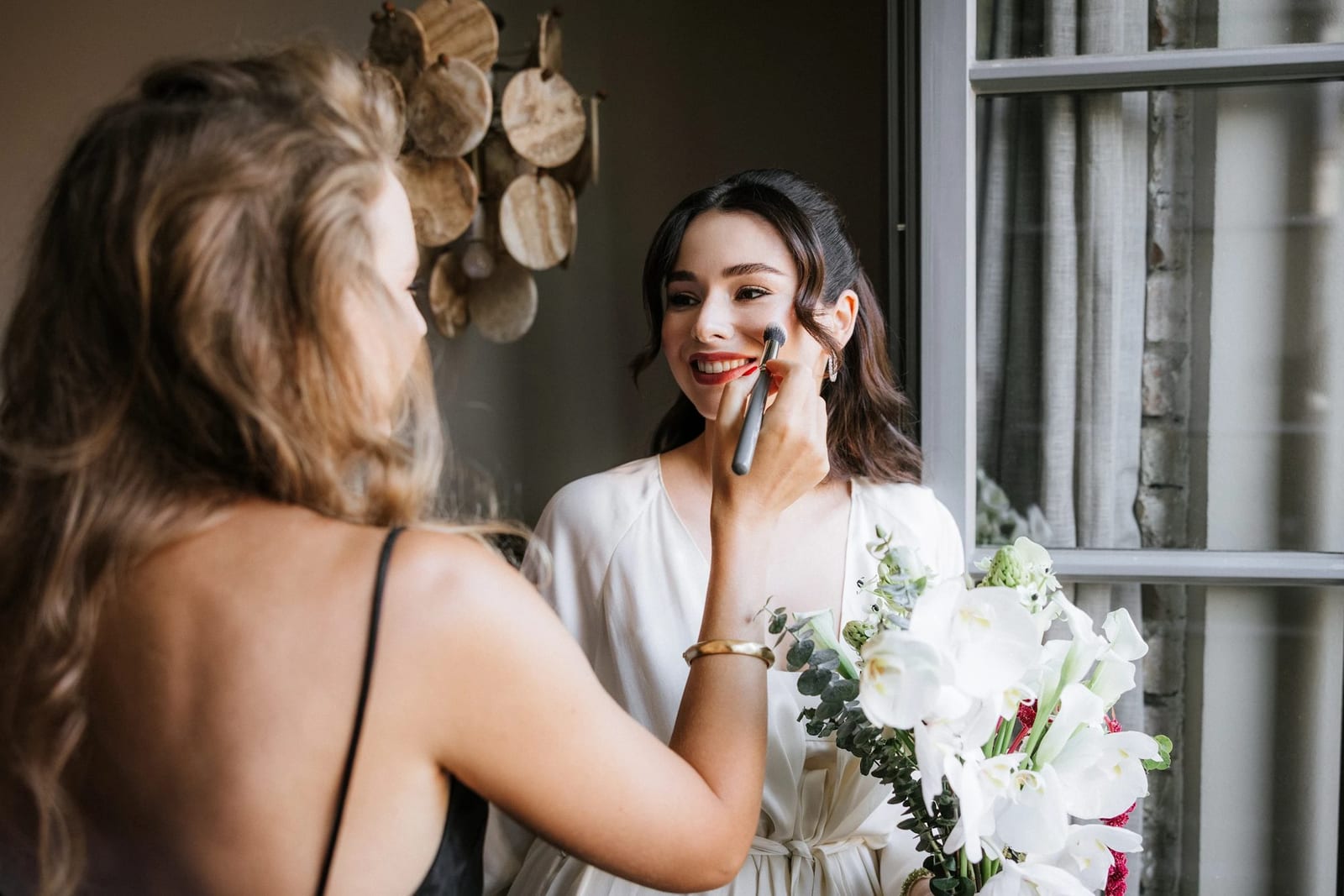
The trial is where your wedding makeup is actually decided. The morning of the wedding is just the performance; the trial is the rehearsal where every choice — base, colour, lashes, longevity — gets tested while there’s still time to change your mind. I do a trial before every wedding I take on, without exception, and this guide explains why, what happens in the chair, and how to get the most out of yours.
When to book your bridal makeup trial
The sweet spot is two to three months before the wedding. That’s close enough that your skin, hair colour and tan will look roughly as they will on the day, but far enough out that there’s no pressure — if you want a second trial, or a rethink on the eyes, there’s time.
Book the artist much earlier than that, though. Good London makeup artists take wedding bookings three to six months in advance, and popular summer Saturdays go first. The usual order is: secure your date with a deposit, then schedule the trial a few months out.
Some brides time the trial to another event — an engagement shoot, a hen dinner, a wedding they’re attending as a guest. It’s a lovely trick: you get a full evening of wear out of the look and find out exactly how it photographs and how it lasts.
How to prepare for the trial
You don’t need to do much, but the few things that help, help a lot:
- Come with clean, makeup-free skin. Ideally cleansed and moisturised the night before, so your skin is settled rather than freshly scrubbed.
- Bring photographs — of yourself. Two or three pictures where you love how you look are more useful than fifty saved looks on a stranger’s face. They tell me what you look like at your best, which is the real brief.
- Bring the dress details. A photo of the dress, the colour of the bridesmaids’ dresses, and any flowers or colour scheme. Makeup that ignores the dress always shows in the photographs; colour theory does a surprising amount of work on a wedding morning.
- Wear a white or neutral top. It changes how every colour reads against your skin — the same reason we drape brides in white at the trial.
- Mention skin sensitivities and lash plans. Allergies, sensitive eyes, lash extensions, planned facials or retinol use — all of it changes what I’ll choose for you, so the more I know, the better.
What actually happens at the trial
A proper trial takes about an hour and a half. Anyone offering a twenty-minute version is doing a demonstration, not a trial. Mine usually run like this:
We talk first. About the venue, the time of the ceremony, the photography style, what you wear on a normal day. A bride who wears tinted moisturiser and lip balm should not wake up on her wedding day in full glam she’s never met before — the look has to be her, turned up to the occasion.
We build the look in layers. Base first, matched in daylight, because daylight is the most honest light there is and it’s the light most wedding photographs are taken in. Then eyes, cheeks and lips, with you watching and steering throughout. If something feels wrong, this is exactly the moment to say so — that’s what trials are for, and no good artist is offended by it.
We photograph it. In daylight, with flash, and on your own phone. The camera sees differently from the mirror: things that look soft in person can vanish on camera, and things that look strong in the mirror can photograph beautifully. The photos settle every “is it too much?” debate honestly.
We take notes. Every product and shade is recorded, so the wedding morning is a calm repetition of a settled decision rather than a fresh experiment.
Then — and this is the part brides underestimate — wear it for the rest of the day. How does it feel at hour six? Did it move, crease, fade? Did your other half notice it was different, or just that you looked lovely? That evening of wear is the most useful product test you will ever run.
After the trial
If the look was right, you’re done: it gets written up and repeated on the day. If it was nearly right, say so plainly — “warmer lip”, “softer liner”, “less under the eyes” are exactly the notes an artist wants. Small adjustments don’t need a second appointment; a complete change of direction sometimes does, and it’s far better discovered three months out than at 7am on the day.
It’s also the moment to confirm the practical things, if you haven’t already:
- Timings — when the artist arrives, how long each face takes, and when you’ll be finished relative to the photographer and the dress.
- The wedding party — whether mothers and bridesmaids are having makeup, and how that changes the morning’s schedule.
- Touch-ups — what’s in your evening kit (usually the lip colour and blotting papers), and whether the artist stays on or leaves you set for the night.
Is a trial really necessary?
In my opinion — and I say this as someone whose whole bridal service is built around it — yes, every time. Your wedding photographs outlive almost everything else from the day. The flowers fade, the cake is eaten, but your face is in every frame. A trial costs you ninety minutes and removes every unknown from the most photographed morning of your life. I’ve never met a bride who regretted having one.
If you’re planning a London wedding and would like to talk dates and trials, tell me about your day — I read every enquiry myself.